







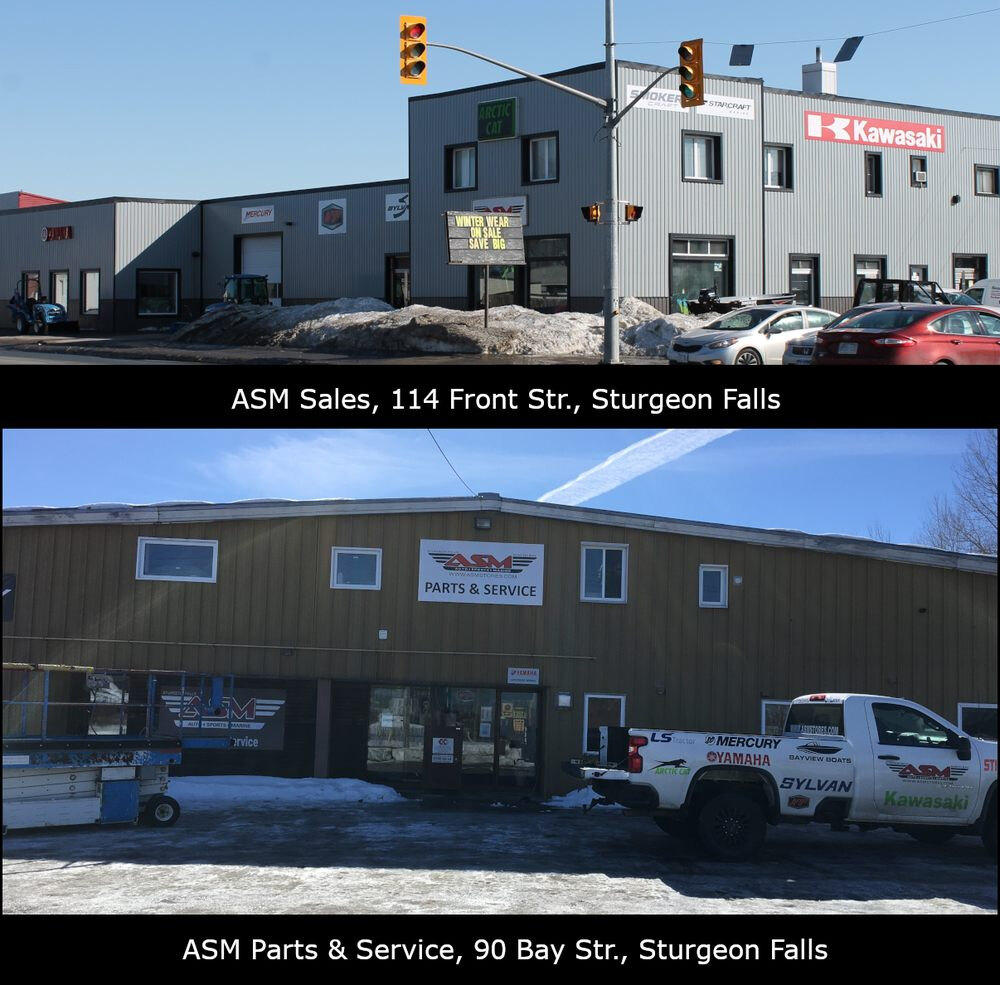
- Monday 8:00AM - 6:00PM
- Tuesday 8:00AM - 6:00PM
- Wednesday 8:00AM - 6:00PM
- Thursday 8:00AM - 6:00PM
- Friday 8:00AM - 6:00PM
- Saturday 9:00AM - 2:00PM
- Sunday CLOSED
Tips for Snowmobile Summer Storage!
8 tips to prep your snowmobile for summer storage
By The Almaguin Arctic Cat Guy – Jamie Aubin
When there's more mud and dirt on the trails than snow, it's time to start getting your snowmobile ready for its long summer nap. Here are some tips for properly preparing your snowmobile for storage to help ensure it's in good shape for next winter.
1. Give it a scrub-down
Dashing through the snow all winter can cause salt and dirt to build up on your machine, so a wash is your first order of business. Warm, soapy water will typically get the job done on the hood, tunnel, seat and nose pan. Rinse thoroughly. Spray a grease-cutting cleaner under the hood and an engine degreaser near the oil reservoir and on the exhaust ports, then rinse well.
2. Clean your cover
Now that your snowmobile is shiny and clean, you don't want to put a dirty cover over it. Most covers can go right into the washing machine. (Remember to check the label if you’re not sure!)
3. Don't drain the tank
You probably don't want to drain your snowmobile's fuel tank before it goes into storage. Most of today's "sleds" are fuel-injected, and the engine parts typically rely on fuel for lubrication and protection.
4. Stabilize the fuel
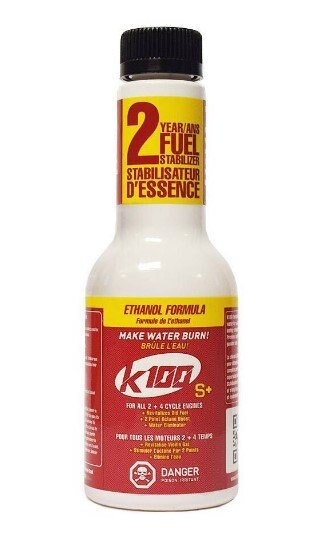
Fuel can degrade over time and may corrode engine parts. Pouring a fuel stabilizer into the tank will help prevent this. Read the directions on the bottle of the fuel stabilizer to find out how much to use based on how much gas is in the tank. Run the engine for a few minutes after pouring it in to help ensure treated fuel is flowing throughout the system. I recommend a product called K100.
5. Fog the engine
Coating the inside of your snowmobile’s engine with fogging oil may help protect your crankshaft bearings, connecting rods and other engine parts from air and moisture, which can cause corrosion and make those parts prone to fail. Fogging oil displaces moisture from metal to prevent corrosion and forms a protective coating, and can be found at most automotive retail shops. You’ll want to gain access to the carburetors or throttle bodies by removing the airbox and foam or air horns. With the engine running, spray the fogging oil into each intake for a few seconds, then switch to the other cylinder. (Check your owner’s manual)
6. Lubricate the grease fittings
Greasing joints on your snowmobile’s suspension should probably be a part of your regular maintenance regimen during the winter season, but it may be particularly important right before you store it. Coating all the lube points may help ensure water doesn’t cause rust and corrosion during the summer.
7. Get it off the ground
Consider putting a jack stand under the rear bumper and unhook the springs. Avoid storing your sled in a spot where things may get piled up on top of it. Set the front end of the chassis on a wooden box so it hangs freely, too. This can relieve tension on the track and suspension, helping them to last longer.
8. Curb the critters
If you’re storing your snowmobile in a garage or shed, you may want to place a few mothballs under the hood and on the tunnel to help keep out rodents and other varmints.
These tips apply to machines made yesterday and to those made over 30 years ago!
After the winter we’ve had this year, you’ll want to be doubly sure that your sled is stored properly for the summer and ready to go for next year!
For more tips or supplies please email, call or stop in for more information!
Disclaimer: This article by all means is not machine specific nor is it intended to replace the manufacturers requirements for off season storage. Always refer back to the owner’s manual for a complete list. The intention of this list is to be more of a reminder for when you put
Category Name
Blogs
Manufacturer Qty
0